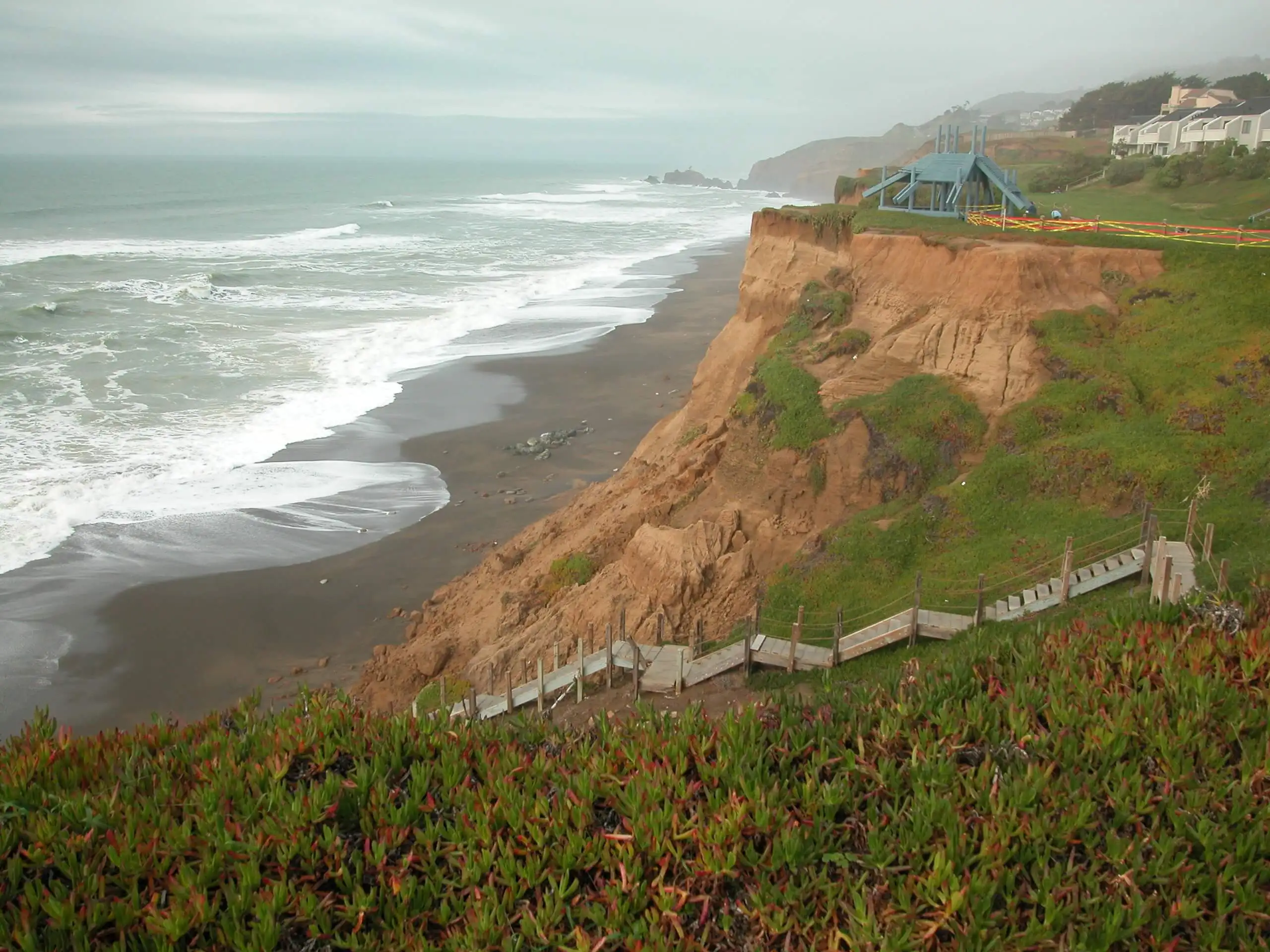
Adaptation Planning
Future-proofing coastlines through rigorous climate adaptation planning. From hazard mapping to nature-based solution design, Dr. Hapke builds the scientific foundation for resilient coastal futures.
Begin Adaptation PlanningNature-Based Coastal Solutions for Long-Term Adaptation
Effective coastal adaptation planning requires more than modeling — it requires a scientist who understands how coastlines actually behave. Dr. Hapke's career at the USGS was built on exactly this foundation: observing, measuring, and interpreting coastal change at scales from individual beach profiles to entire barrier island systems.
Our adaptation planning services are grounded in the best available climate science and the latest nature-based coastal scientific research. We focus on delivering actionable insights for donor-funded resilience programs and local adaptation initiatives.
Every adaptation plan we develop is designed to be defensible to international peer review — because the communities depending on these plans deserve nothing less.
Coastal Hazard Mapping
High-resolution hazard mapping integrating storm surge, inundation modeling, erosion rates, and sea-level rise projections for comprehensive adaptation planning.
Nature-Based Adaptation Design
Science-based design of mangrove restoration, living shoreline, dune rehabilitation, and reef protection as primary coastal adaptation measures.
Climate Scenario Planning
Focusing on the impacts of climate change — such as flooding due to sea level rise and more frequent high-intensity storms — to forecast likely impacts on future events.
Ecosystem-Based Adaptation
Integration of coastal ecosystem services — wetlands, seagrasses, reefs — into nature-based coastal scientific research for maximum resilience outcomes.